
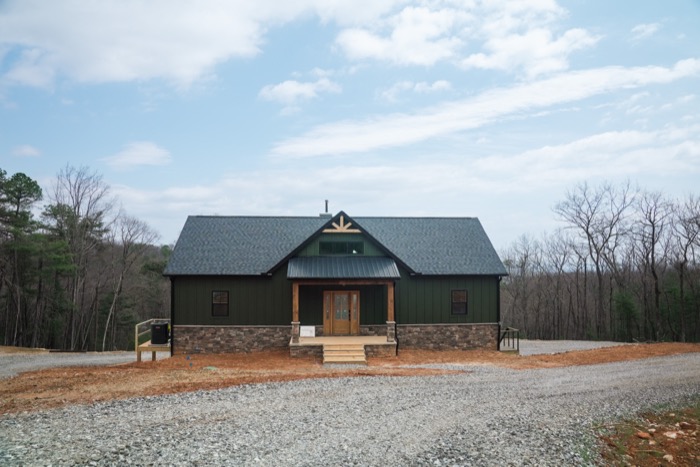
From Blueprint to Move-In: What to Expect During a Home Build
Building a home from the ground up is an exciting journey—one that transforms your vision into a physical space tailored to your lifestyle. But while the end result is rewarding, the process itself involves many stages, decisions, and potential surprises. Understanding what to expect can help you stay prepared, reduce stress, and enjoy the experience along the way.
1. Planning and Design Phase
Everything begins with an idea. During this stage, you’ll work with architects or designers to create blueprints that reflect your needs, preferences, and budget. This includes selecting the layout, number of rooms, materials, and overall style. You’ll also need to secure permits and ensure your plans meet local building codes. This phase can take several weeks to months, depending on complexity and revisions.
2. Budgeting and Financing
Before construction starts, it’s essential to establish a clear budget. This includes not just construction costs, but also land purchase, permits, utility connections, and a contingency fund for unexpected expenses. Many homeowners secure a construction loan, which is typically converted into a traditional mortgage once the home is complete.
3. Site Preparation and Foundation
Once permits are approved, construction begins with site preparation. This may involve clearing trees, leveling the land, and setting up utilities. The foundation is then poured—whether slab, crawl space, or basement—forming the base of your home. Inspections are conducted to ensure structural integrity before moving forward.
4. Framing the Structure
Framing is when your home starts to take shape. Walls, floors, and the roof structure are built, giving you a first real sense of the layout. Windows and exterior doors are installed, and the house is typically wrapped to protect it from weather. At this stage, it begins to resemble a home rather than a construction site.
5. Systems Installation (Plumbing, Electrical, HVAC)
Behind-the-scenes systems are installed next. Electricians, plumbers, and HVAC professionals run wiring, pipes, and ductwork throughout the home. These systems are critical and must pass inspections before walls are closed up.
6. Interior and Exterior Finishes
This is where your personal style comes to life. Drywall is installed and painted, flooring is laid, cabinetry and countertops are added, and fixtures are installed. Exterior work such as siding, roofing, and landscaping also takes place during this stage. It’s often the most visually satisfying phase.
7. Final Inspections and Walkthrough
Before you can move in, the home must pass final inspections to ensure everything is up to code. You’ll also do a walkthrough with your builder to identify any last-minute fixes or touch-ups. This “punch list” ensures the finished product meets your expectations.
8. Closing and Move-In
Once everything is approved, you’ll finalize paperwork, convert your loan if needed, and receive the keys to your new home. Moving day marks the end of the construction journey—and the beginning of a new chapter.
Final Thoughts
Building a home is a detailed and sometimes lengthy process, but knowing what to expect at each stage can make it far more manageable. Stay involved, communicate regularly with your builder, and keep a flexible mindset. With patience and planning, your dream home will soon become a reality.